The Case in Brief
The easiest part is choosing your haunted location. There are plentyof supposedly haunted hotels, asylums, and cemeteries within a day’s drive of wherever you are. The important part, the one that decides if the trip will be a…
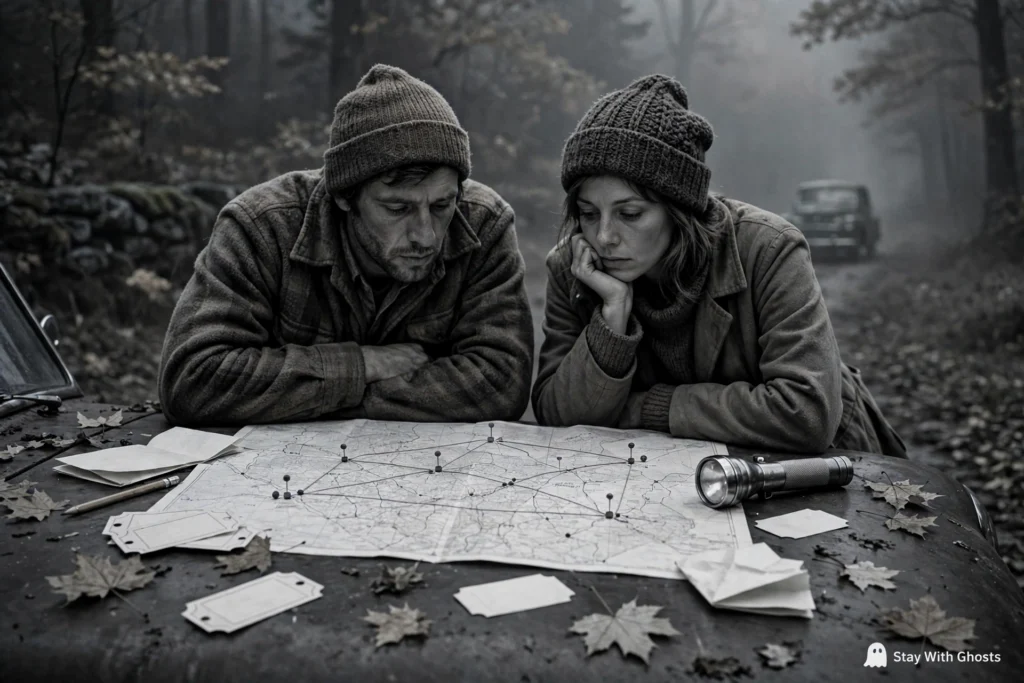
The easiest part is choosing your haunted location. There are plentyof supposedly haunted hotels, asylums, and cemeteries within a day’s drive of wherever you are. The important part, the one that decides if the trip will be a success or not, is the logistical planning behind the tour such as what order to visit things in, which tickets need to be purchased weeks in advance, how many overnight investigations a human body can realistically handle back to back, and how to keep from turning into an exhausted blur of parking lots and gift shops. These are the things that go into constructing the itinerary itself, and not just the list of places on the itinerary.
Two itinerary shapes that actually work
The majority of haunted road trips undertaken by successful serial ghost hunters tend to have a common two-part structure, and it is this that should be the starting point for planning your expedition, rather than the choice of specific locations.
A regional cluster is best for a weekend trip, so pick one region with a good sampling of potential destinations and find the ones that are located near to each other. West Virginia is the classic example of a regional cluster, with the West Virginia Penitentiary in Moundsville, the Trans-Allegheny Lunatic Asylum in Weston, and the Mothman Museum in Point Pleasant all lying within driving distance of each other hence their frequent inclusion on the itineraries of ghost hunters touring the area. A cluster trip is ideal for a short visit, as it will minimize driving time and maximize on-site investigation.
The corridor concept works for a longer, more intense journey, too: a route that meanders through several states and includes one or two stops in each rather than maxing out a specific region. Ghost Hunters’ Steve Gonsalves has proposed a route that meanders from the Hawthorne Hotel in Salem, Massachusetts, through the Union Cemetery in Easton, Connecticut, and Fort Mifflin just outside ofPhiladelphia, then on to the Ohio State Reformatory in Mansfield and the Trans-Allegheny Lunatic Asylum in Weston, West Virginia, ending finally at Waverly Hills Sanatorium in Louisville. (Six stops in six states, for those scoring at home — a vacation-length trip rather than a weekend adventure, requiring careful planning of road days as well as tour days.)
Determine which shape best suits your particular time off before you even start drawing up a stop list. A cluster compressed into corridor-length driving, or a corridor folded into a long-weekend cluster’s timeframe, represents the most typical manner in which these journeys go awry.
Book the overnight stuff first, then build around it
Overnight investigations and paranormal-themed events tend to sell out well in advance, especially in the fall, as noted in trip-planning advice, which emphasizes researching and booking guided experiences ahead of time. In practice, this means working backward from your overnight investigation dates, which are the least flexible part of your schedule.
It’s easy to think you can always find a day tour, museum, or cemetery visit that fits, but be prepared to build your schedule around the overnight investigation.
Double-check each site’s hours and season before you devote an entire day to it. Many historic sites have condensed hours outside of October, close completely on certain weekdays, or only offer their full programming seasonally. That glorious listicle find could very well be closed on the Tuesday you’re planning to visit.
Don’t stack overnight investigations back to back
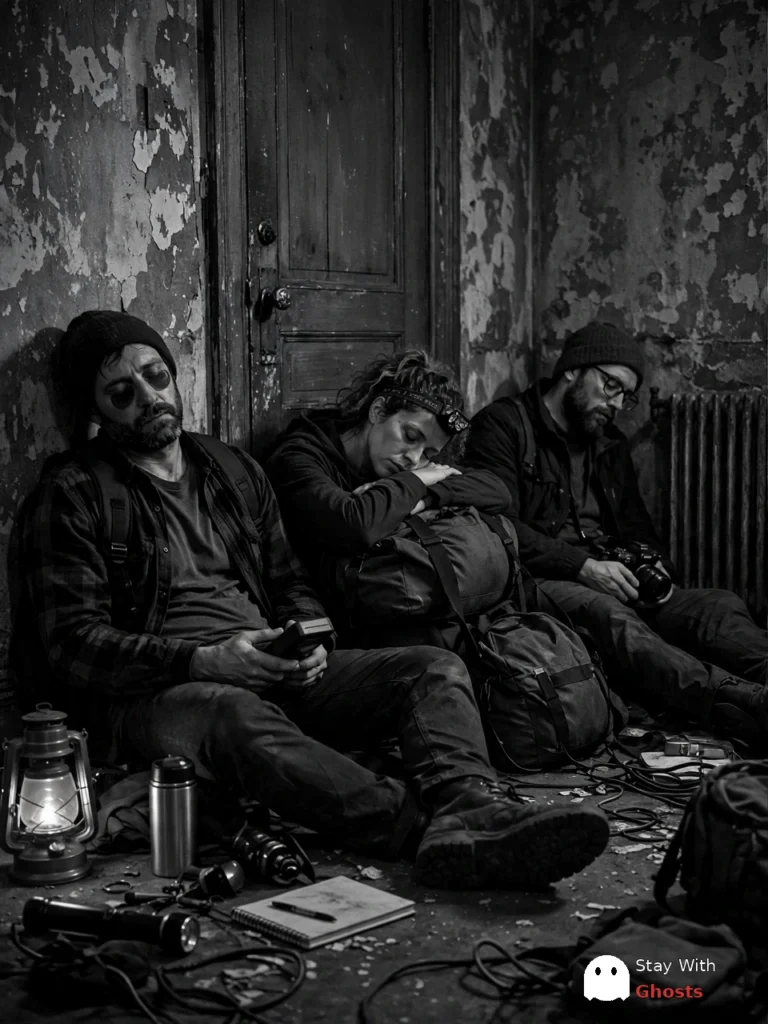
An overnight investigation usually extends from early evening ’till 1, 2, or 3 in the morning, followed by a drive to the next destination the next day. Two or three nights of this will leave you exhausted and cranky, not getting the most out of your travels. A better approach is to balance an extended overnight investigation with a more relaxedday, maybe visiting a museum or taking a walking tour or visiting a cemetery, followed by a good night’s sleep, before resuming with another overnight investigation. This also provides flexibility if motoring from one place to another takes longer than expected or if sites have unexpected hours, which they often do.Let your hotel pull double duty
If you’re going to go sightseeing by car along historical haunted sites, rather book a room at a venue that plays a part in the lore, than a more generic transient hotel. The Hawthorne Hotel in Salem mentioned above (as a road trip destination in itself) is also a functioning hotel that one can book a room at, although the Stanley Hotel in Colorado (which is the real house that inspired Stephen King’s The Shining) goes above and beyond by offering historic and ghost tours of the facility as well as an overnight Shining-specific tour that actually requires that you stay overnight as part of the experience, thus incorporating the hotel itself as both a destination and overnight lodging for the duration of the road trip. It’s worthwhile to plan at least one such overnight stay as part of a larger trip to haunted destinations, rather than driving from one to another without pause.
Verify the big claims before you build a stop around them
Here’s a good planning tip that serves skeptics’ touring itineraries particularly well, and one that applies to many of the “facts” aboutghost-tourism attractions that get copied between sites: some are exaggerated well beyond documented records, to the point where itcan be worth researching before a specific number or story becomes the reason you drive three hours for a particular experience.
Waverly Hills Sanatorium is a good example because it’s often advertised with a death toll around 63,000, but this figure has been consistently debunked, with historians citing closer to 8,000 total deaths in the sanatorium’s decades as a tuberculosis hospital, with 152 deaths in 1945 alone, the year of the facility’s peak as an infectious disease treatment center. While that’s still a grim and tragic statistic, it’s not the number that shows up in the promotional copy for most sites extolling the property’s haunted reputation. It doesn’t mean you should skip visiting the attraction, per se, but rather research the “true story” behind any location’s most famous tale before factoring it into your touring plans, just as you might research a businessbefore trusting their marketing blurb or booking a tour with them.
The logistics you’ve already half-solved
If you’ve read along with this blog’s other Field Notes posts, most of this trip’s logistical planning has probably already been covered by your own mental checkpoints (bring photo ID and any required waivers for overnight venues, pack as if you’re going into a building that doesn’t have heat even if it’s a mild-sounding day outside, and treat any cemetery stop on the way as if you were visiting any other tourist attraction, only with fewer things to touch). A road trip isn’t a reason to be any more cavalier with your manners than you would be at home.
Plan around rural roads and dead cell zones
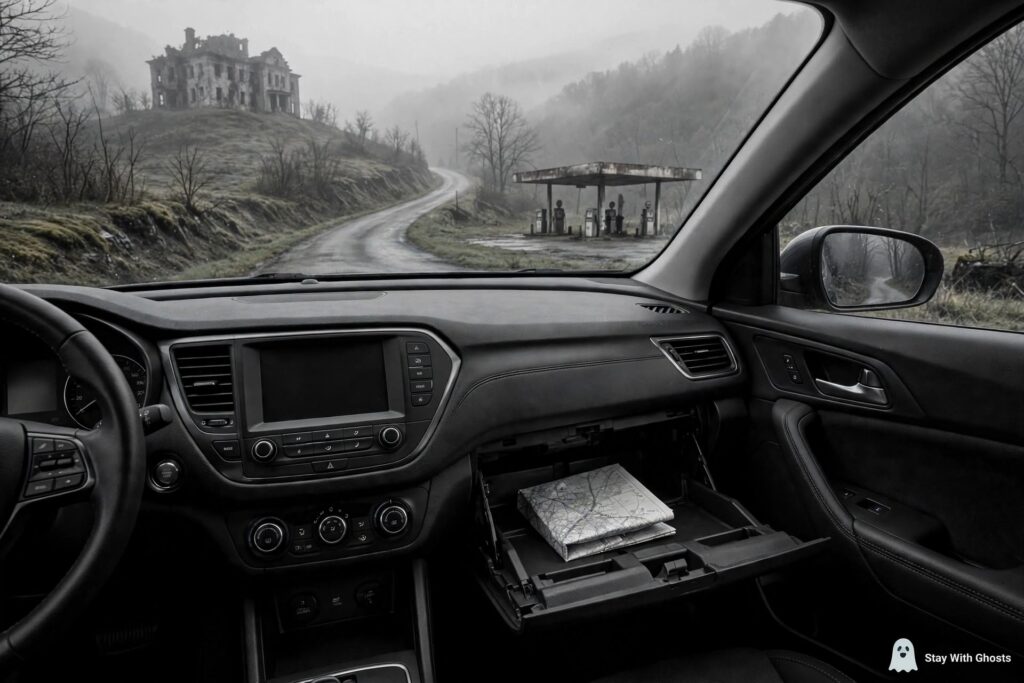
A number of the best haunted sites are located in places that one could classify as rural and remote. Asylums and sanatoriums were, after all, often built outside of town, and prisons tend to be built elsewhere besides a cell tower. Weston, West Virginia, and Point Pleasant, West Virginia, are both characterized by a certain numberof mountainous roads along which GPS systems and cell phone reception can be spotty.
Bury a map of the area in your car’s glove compartment in case you’re driving around without a signal, mark off the gas station locations on one of those maps rather than trusting that you’ll always be able to find one, and remember that you might not be able to look up hours of operation or make a call to ask beforehand if a given sight will even be open when you arrive, especially if you’re already 20 minutes away on some kind of twisty backroad.
Budget for more than the tickets
Overnight investigation tickets at popular sites aren’t cheap: West Virginia Penitentiary’s public ghost hunt features $75 per person, while the Ohio State Reformatory’s public ghost hunts run $104 per person (and its shorter “mini” version is $65) that doesn’t include gas, lodging, food, or equipment rentals. Build an accurate budget based on a multi-stop itinerary, not a per-ticket budget: a corridor trip with three overnight investigations and several nights of hotels can add up quickly, and it’s much easier to cut a stop from your planned investigations than to realize you overspent on day two of a six-day trip.
A sample framework
For a long-weekend cluster trip, a workable shape looks like this:
- Day 1: Travel to the region, check into lodging, do a lower-key evening activity like a walking tour or museum visit
- Day 2: Daytime visit to a second site (museum, day tour, cemetery), then an overnight investigation that night
- Day 3: Recovery morning, one more light stop on the way out of town, travel home
Stretch the same logic across more days for a corridor trip then just budget real driving days between regions rather than trying to tour and drive six hours in the same day.
Quick planning checklist
- Choose a cluster (weekend) or corridor (longer trip) shape before picking specific stops
- Book overnight investigations first — they sell out, especially in fall
- Confirm each site’s current hours and season; don’t assume year-round access
- Alternate overnight investigations with lower-key days rather than stacking them
- Consider booking at least one night at a haunted hotel to combine lodging and itinerary
- Fact-check headline claims (death tolls, dates, “most haunted” superlatives) before building a detour around them
- Bring ID, waivers, and cold-weather layers regardless of the season
- Apply normal site and cemetery etiquette at every stop, even on a tight schedule
The bottom line
A haunted road trip is the same as any other in terms of pacing, booking windows, and driving time with some added quirks of overnight sold out tickets, buildings without heat, and marketing copy that spins the truth. As long as the logistics are handled, the ghost stories sort themselves out from there.