The Case in Brief
The True History Behind Birmingham’s Haunted Landmark In the heart of downtown Birmingham, Alabama, a rust colored maze of blast furnaces, boilers, and pipework…
The True History Behind Birmingham’s Haunted Landmark
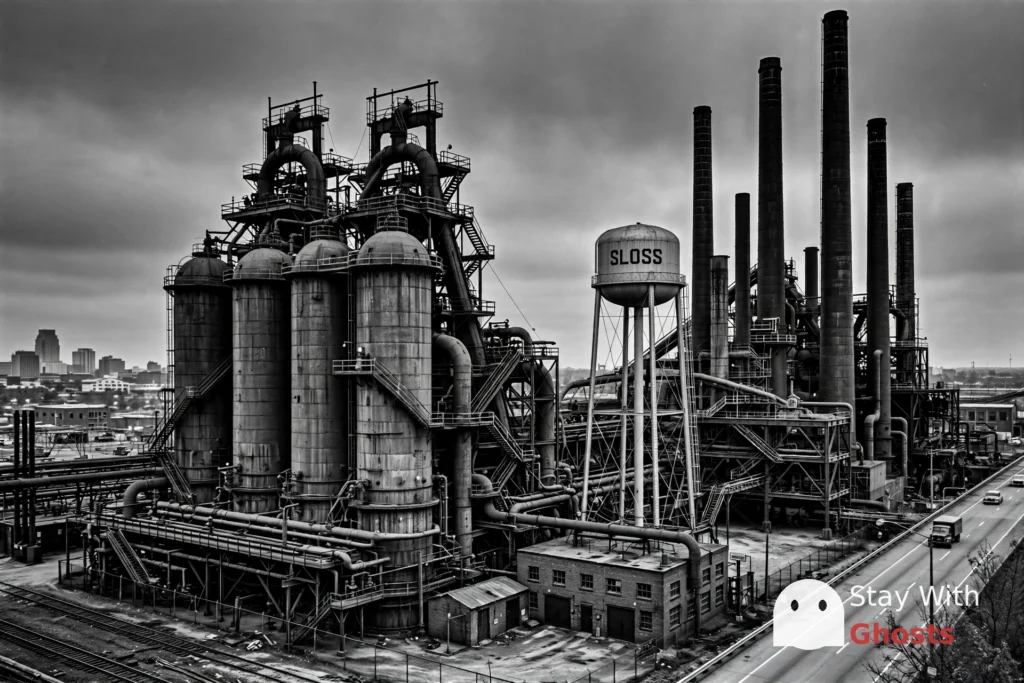
In the heart of downtown Birmingham, Alabama, a rust colored maze of blast furnaces, boilers, and pipework rises against the skyline like something out of an industrial dreamscape; Sloss Furnaces have been producing the pig iron that has built Birmingham into the “Magic City” for almost 90 years. Today it’s a National Historic Landmark and working museum of industry, according to decades of visitor and investigator accounts; however, also one of the most frequently active paranormal locations in the American South.
Sloss’s reputation as a haunted site didn’t come from nowhere, however; the furnaces have been running around the clock for generations in conditions that were genuinely brutal and, at times, fatal. Here’s the real history of the plant, and what people report there today.
The City Built on Iron
Sloss Furnaces were built due to geographical conditions. After the Civil War, entrepreneurs found that the area of Jones Valley, central Alabama, could provide an unprecedented concentration of natural resources within a 30-mile radius. The region had iron ore deposits located in Red Mountain, coal reserves to the north and west, and limestone and dolomite in the valley itself; it appeared that all the materials necessary for steel production were present. In 1871, Developers created a new city on the site of this valley, naming it Birmingham, in honor of England’s industrial center, betting on the success of this enterprise.
Colonel James Withers Sloss was one of the leading figures in the young city, having facilitated its founding by convincing the owners of the Louisville & Nashville Railroad to lay off the railway in the district. In the early 1880s, with the financial support of his partner, industrialist Henry DeBardeleben, he established the Sloss Furnace Company, opening the city’s first steel plant in the eastern part of downtown at the intersection of two railway lines.
The developed furnaces were opened in April 1882 and performed exceptionally well: in the first year, the factory produced and sold 24,000 tons of iron. The growth was rapid, and in the years leading up to World War I, the renamed Sloss Sheffield Steel and Iron Company became one of the world’s largest producers of pig iron. In large part, due to this industry, Birmingham received the nickname Magic City.
Life and Death on the Furnace Floor
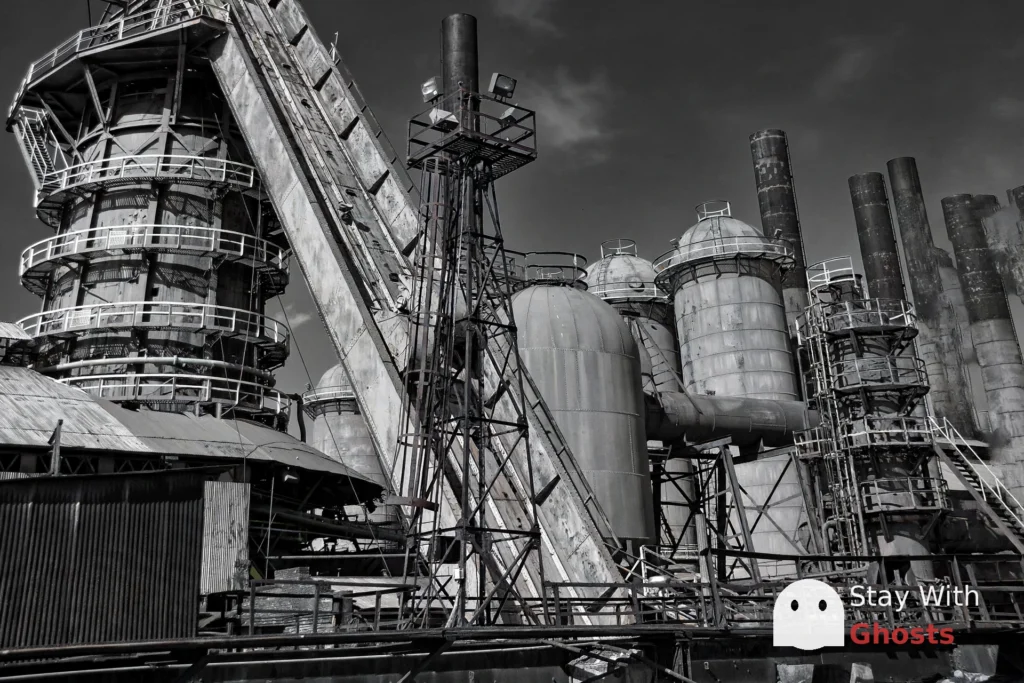
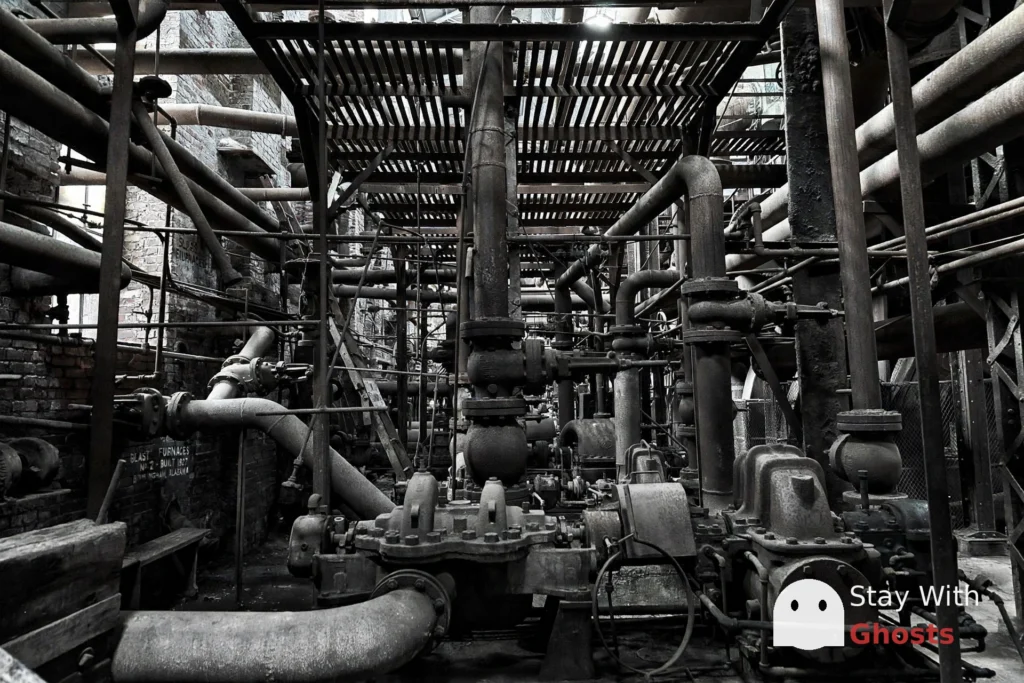
Sloss Furnaces were operating 24 hours a day, and the people working there were working 12-14 hour shifts in near-unbearable conditions. Around the molten iron, temperatures could reach up to 150 F, and the air was full of coal dust, carbon monoxide, poor ventilation, and deafening noises. The men had to work large machines such as charging bells and skip hoists with few safety measures, and they walked on narrow catwalks hovering over great heights, and the risk of falling, being crushed, or badly burned was high.
The conditions that these workers had to endure are shown through court cases brought up against the Sloss Sheffield Steel and Iron Company, where it was said that many injuries, amputations, and deaths happened due to workplace accidents in the plants. However, this is only part of the story, as the company also took advantage of the convict lease system in Alabama for the coal mines. This practice was used by many businesses in Alabama, but was phased out by most by 1928. Sloss continued to use the system well into the 1920s. The convicts that were leased to the company were black men who were imprisoned for “vagrancy” by the state under the new laws in Alabama after the Civil War, which is seen by historians as a way to reinvent slavery, with only the name changed. Many convicts died in the coal mines due to the conditions of the work or accidents, and it is said that in 1890 nearly 9 percent of leased convicts would die per year in the mines.
Sloss Furnaces were permanently closed in 1971, after 89 years of operation, but they were kept as a monument, and in 1981 they were added to the National Register of Historic Places by the U.S. Department of the Interior, and became one of the first industrial sites, and the only blast furnaces, to be saved, and opened to the public as a museum. The site is open to visitors and has a working museum depicting the industrial history of the region, and serves as a reminder of the workers and their legacy.
Separating the Real History From the “Slag” Legend
Any research on Sloss Furnaces on the Internet may eventually lead to the saga of James “Slag” Wormwood, the foreman so cruel that he forced his subordinates to jump into vats of molten iron, only to die in the same manner himself and return from the dead as the local most vengeful ghost.
It is not worth mentioning this story without clarification, as the character of James Wormwood never existed in the first place. It is a work of fiction created specifically for Sloss Fright Furnace, a Halloween horror attraction that was active in the area from 1998 to 2019. It is an exhibit of the local Halloween horror scene, meant to scare people for entertainment.
This does not lessen the impact of the real-life events that happened on the territory of Sloss Furnaces, which were full of fatalities and suffering just as any other industrial workplace. The mention of James Wormwood and his ghost is a perfect example of how easily one can confuse real and fictional history when researching a place on the internet, with facts often being blurred with fictional additions. In this case, separating the two is essential in order to form a realistic perspective on the history of the area.
What Visitors and Investigators Actually Report
While slag Wormwood’s legend is certainly an intriguing aspect of the history of Sloss Furnaces, it only serves to complement the established reputation of the place as a hotbed for paranormal activity. The reputation was not created by one fabricated story, but rather years of sightings by guests and employees, as well as professional paranormal investigation teams.
Voices, Footsteps, and Physical Encounters
Visitors and investigators often hear disembodied voices coming from all over the plant, often saying things like production orders or warnings about the constant chatter required to safely run a working furnace. Other visitors and investigators hear footsteps and the sound of dragging or scraping metal, in places where no one else is present.
Some visitors hear loud banging that has been enough to prompt police calls to investigate the source of the noise on more than one occasion. Some visitors and investigators on site feel touched, pushed, or have their clothing pulled by unseen hands, something that few reportedly haunted places can say.
The Ghost Hunters Investigation
The Syfy Channel television series Ghost Hunters filmed there a two-night investigation in 2010 for the sixth season, which included singer Meat Loaf, making it accessible to a national audience. They claimed to have found significant evidence while investigating this location, which is now one of the most referenced episodes connected to the Sloss Furnaces.
Ghost Tours and Sloss Fright Furnace
The site has embraced its reputation by offering organized nighttime ghost tours, and every October it is transformed into a fully-fledged haunted attraction, which draws crowds from the surrounding area; it is a modern-day continuation of the industrial feel that made the plant seem frightening even to those who worked there.
As with any supposedly haunted site, none of these reports are independently verified, and should be taken as anecdotal evidence and local legend rather than actual phenomena; a distinction that becomes all the more important at a site where fictionalized legends such as that of the Slag Wormwood have mingled with actual history.
Frequently Asked Questions
Was “Slag” Wormwood a real Sloss Furnaces employee? No. Slag Wormwood is a fictional character created for the Sloss Fright Furnace Halloween attraction (1998 to 2019). He is not a documented historical figure or a real cause of any death at the plant.
Did people actually die at Sloss Furnaces? Yes. Historical lawsuits and records document real injuries, amputations, and deaths among Sloss workers over the plant’s 89 years of operation, along with a high mortality rate among convict laborers used in the company’s coal mines.
Can you visit Sloss Furnaces today? Yes. Sloss Furnaces operates as a National Historic Landmark and museum in downtown Birmingham, offering daytime historical tours, nighttime ghost tours, and a seasonal Halloween haunted attraction each October.
Visiting Sloss Furnaces Today
Sloss Furnaces are now a unique monument of 19th-century American industrial architecture, as the real history of gas production there is closely linked with the dangerous and deadly events that occurred after the furnace was abandoned in 1971. Therefore, it attracts a wide range of visitors, from those interested in the history of Birmingham to paranormal enthusiasts, and remains one of the most striking exhibits of the local industrial heritage.
Have you visited Sloss Furnaces or experienced something you can’t explain there? Share it in the comments below.
Sources consulted for the historical details in this post include Sloss Furnaces’ official history page, the Encyclopedia of Alabama’s entry on Sloss Furnaces, the Encyclopedia of Alabama’s entry on the convict lease system, and SyFy’s Ghost Hunters episode recap.