The Case in Brief
The True History of the Athens Lunatic Asylum On a hilltop in Athens, Ohio, overlooking the city and Ohio University’s campus, there is a…
The True History of the Athens Lunatic Asylum
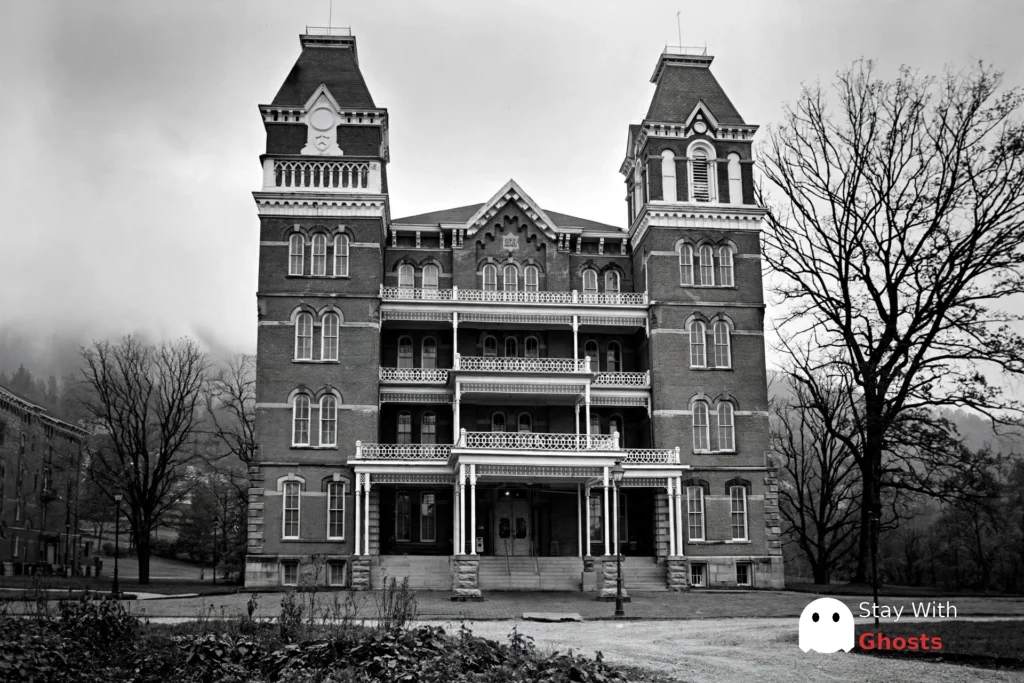
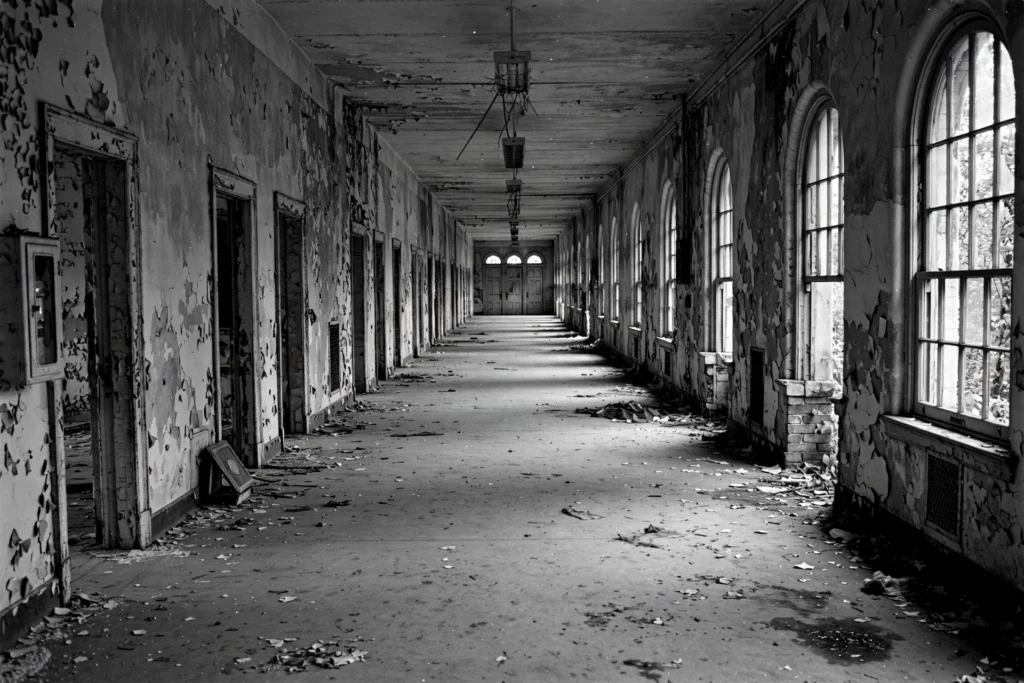
On a hilltop in Athens, Ohio, overlooking the city and Ohio University’s campus, there is a large building complex with a Gothic architectural style. Its current name is The Ridges, which is the area occupied by an art museum and the university’s administrative offices. However, approximately 120 years ago, this place was known as the Athens Lunatic Asylum, later renamed the Athens Mental Health and Development Center. It is a significant historic site as it was once a fully functioning psychiatric community with its own farms, cemeteries, and more. Despite being a former hospital, parts of this large complex remain unexplored, making it a great candidate for being one of the most haunted places in the Midwest.
The Ridges have an authentic tale from the 19th century associated with its establishment. Moreover, the ghost story is based on true events that happened in the asylum. Despite the building complex being a part of medical history, there are still many myths and superstitions surrounding it. Below are the legends about the most haunted places in Ohio and their history.
A Model Asylum, Built by Hand
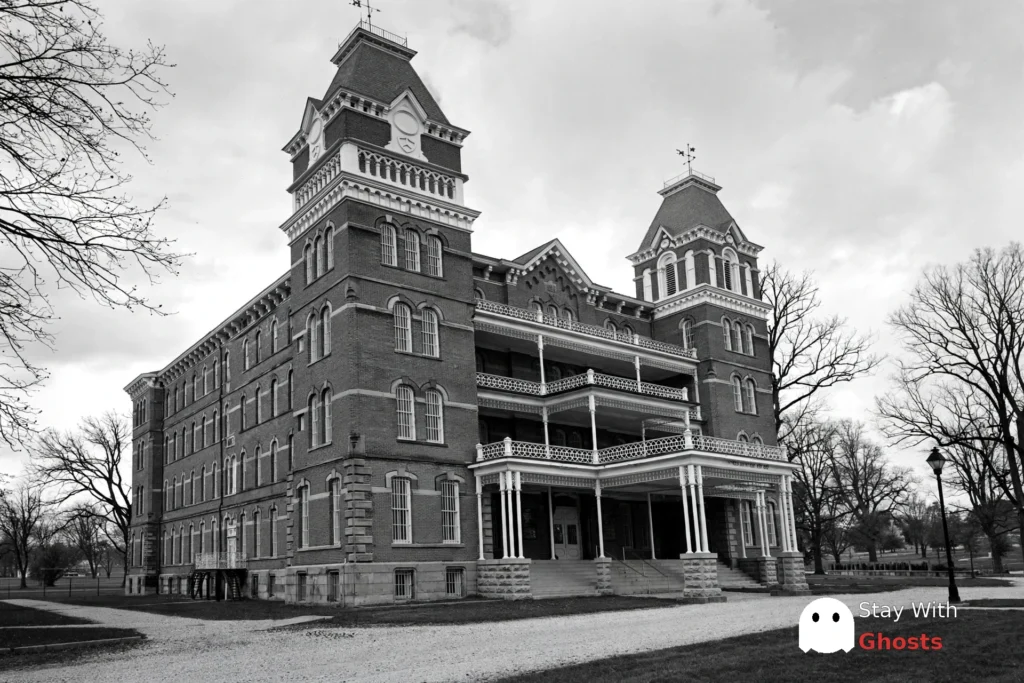
Ground was broken on the Athens Lunatic Asylum on November 5, 1868, and it was opened to patients in 1874. Like many other American asylums, this one was designed according to the Kirkbride Plan, which was developed by Dr. Thomas Kirkbride, the long-time superintendent of the Pennsylvania Hospital for the Insane, and was influenced by the work of social advocate Dorothea Dix. The Kirkbride approach to mental healthcare was to use architecture as a healing tool. Buildings were designed so that each patient’s wing received daylight and fresh air, and a degree of privacy, to provide moral treatment.
The building was designed by Cleveland architect Levi Scofield, and Herman Haerlin designed the landscape. It was an enormous building, even by Kirkbride’s standards. The main building was 853 feet long and constructed of approximately 18.5 million handmade bricks made from clay extracted from the property. An opening capacity of 572 patients, more than double the number that Kirkbride deemed appropriate for a single asylum.
The asylum’s grounds grew to encompass more than 1,000 acres and 78 buildings, providing patients with a variety of work and living areas. It was almost a closed village. There were fields, orchards, greenhouses, a dairy, livestock, a steam plant, and a carriage shop, where patients could be employed. The hospital treated a Civil War veteran and children, as well as those suffering from severe mental illnesses. Patients were admitted for all types of physical and mental ailments, including those that modern medicine would deem unworthy of asylum care.
Thousands of Patients, Thousands of Unmarked Graves

Like many thousands of state asylums, the Athens hospital was abandoned due to years of inadequate funding, overcrowding, and shifting, frequently cruel, psychiatric care practices. During its functioning, tens of thousands of patients passed through its doors. Nearly 1930 of them were buried in three cemeteries on the site of the former hospital.
Perhaps one of the most remarkable things about the Athens asylum is that, for decades, patient graves were unmarked, except for a number. More than 1500 of those buried, mostly women (about 700 of them) and men (over 950), have only numbers for their markers. It was not until 1943 that the state of Ohio allowed putting names and birth-death dates on the tombstones, replacing the numbers. The Ridges Cemeteries Project is attempting to find these unmarked graves and restore the memory of the unknown patients by finding their descendants and replacing the numbers on the stones with personal details, if any.
The Athens Lunatic Asylum has been known by different names during its functioning period. It was also called Athens Asylum for the Insane and Athens Mental Health and Development Center before being abandoned in 1993. According to the records, Ohio University took the land as a donation in exchange for a part of it given to the Department of Mental Health of Ohio. The facility was officially transferred to the university in the same year, and now part of the buildings house the Kennedy Museum of Art, while others are either unused or turned into classrooms and offices.
The Case of Margaret Schilling
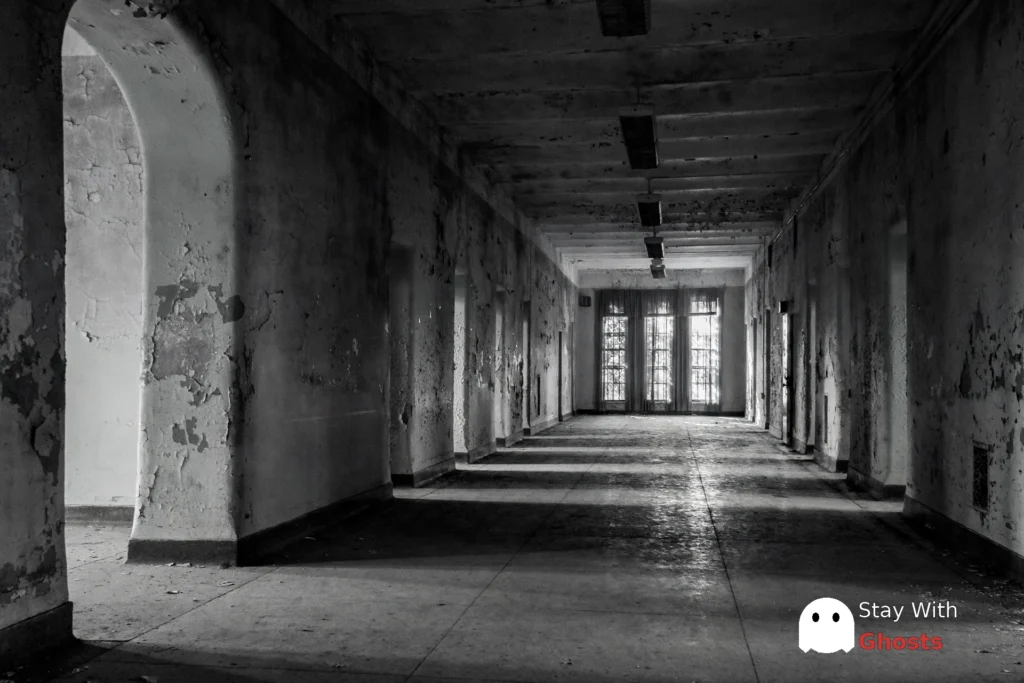
No single story defines The Ridges more than the mystery surrounding Margaret Schilling. On December 1, 1978, Ms. Schilling, an inpatient at Athens Mental Health and Development Center, was found missing from her ward. She managed to escape detection and wandered into the building’s long-abandoned wing, climbing a narrow stairway that led to an unused upper-floor section that had been disconnected from the heating system.
Her body was not discovered until January 12, 1979 – more than a month later – when a janitor, emptying boxes in the derelict ward, found her still-warm body on the floor of the abandoned Ward N20. The cause of death was officially reported as heart failure. When Margaret’s body was finally removed from the building, employees noted a strange stain on the concrete floor where her body had been lying.
This mysterious mark became the most famous piece of evidence of life at The Ridges. A formal examination of the spot in 2007 concluded that it was formed by adipocere, the natural byproduct of a body’s decomposition process that can sometimes seep into concrete floors. There is no scientific foundation to the superstitions surrounding the mark, such as the notion that contacting it will bring bad luck upon the trespasser. Nevertheless, the ghostly imprint remains one of the most photographed and talked about parts of any abandoned asylum in the United States.
Reported Hauntings at The Ridges
Between its scale, its long history of underfunding and neglect typical of the state asylums of its time, as well as the genuinely tragic story of Margaret Schilling, The Ridges have earned their reputation as one of Ohio’s most haunted places, cemented by the decades of residence and study of the Ohio University students just a stone’s throw away.
Margaret Schilling’s Reported Apparition
Visitors and students have reported seeing a ghostly figure that is said to look like Margaret Schilling staring out from the window of the room where her body was found. Some also say they’ve seen the ghost of Margaret Schilling on other floors of the building. Just as with the stain itself, these claims are simply unverified stories and local legends.
General Reports Throughout the Building
Aside from Margaret’s experience, several people who have been exploring abandoned wings of the building reported hearing voices or screams coming from behind closed doors or hearing footsteps on the floorboards when there was no one around. They also described being followed and having the sensation of someone being right behind them. People even claimed to have seen shadows flickering across the hallway or seen ghostly figures of patients tied and shackled in the basement of the building, reminiscent of the early years of the asylum’s history.
A Haunted Reputation That Extends to Campus
The Ridges’ fame has spread throughout the campus of Ohio University. Wilson Hall, a dormitory at West Green, was popularly known as the most haunted place because of the belief that it was built on the site of the old asylum cemetery. Within the dorm, all the paranormal activity is concentrated on its fourth floor. It is reported that students have seen ghosts, heard unexplained voices, and experienced unanticipated door openings. Although there is no historical confirmation of the buildings being constructed above the cemetery, the legend of The Ridges continued to thrive, fueling the haunted reputation of Athens.
Like any other haunted location, the stories told about The Ridges cannot be regarded as credible or authentic. They are purely fictional, imaginative tales and should be taken as such. The only difference is that the eerie history behind the Ridges is based on actual events, which significantly contribute to the region’s lasting appeal.
Frequently Asked Questions
Is The Ridges open to the public today? Portions are. The Kennedy Museum of Art occupies part of the building and is open to visitors, while other sections are used for Ohio University offices, classrooms, and storage and are not generally accessible to the public.
What actually happened to Margaret Schilling? Margaret Schilling was a patient who went missing from her ward in December 1978 and was found dead over a month later in an abandoned, unheated section of the hospital. Her official cause of death was heart failure. The stain left on the floor where her body was found has been scientifically attributed to adipocere, a natural byproduct of decomposition.
Why do so many patient graves at The Ridges have only numbers? For most of the hospital’s history, Ohio did not require patient headstones to include names or dates, only a number. That practice wasn’t changed to include identifying information until 1943, and a preservation project has since worked to identify and properly mark many of those graves.
Visiting The Ridges Today
The Ridges is undoubtedly one of the most notable Kirkbride asylums that have been preserved in the United States. Furthermore, it is one of the few asylums that have been reused and repurposed for a different facility (university) after its closing. Whether you are interested in the hospital’s history, the inpatient treatment of mentally ill women, or the haunting case of Margaret Schilling, you cannot fail to notice that Athens has some eerie places closely intertwined with local history.
Have you ever been to The Ridges or encountered any inexplicable activity there? Let us know in the comments below!
Sources consulted for the historical details in this post include the Athens Lunatic Asylum entry on Wikipedia, Ohio University’s official history of The Ridges, The PreservationWorks’ account of Margaret Schilling, and WOUB Public Media’s coverage of Athens ghost legends.